The question "Is Egypt safe?" is one of the most common — and most loaded — questions we receive from prospective travelers. It is also one of the most important to answer honestly. Egypt is a country of extraordinary warmth, hospitality, and wonder, but like any destination, it comes with challenges that solo travelers should understand and prepare for. This guide offers straight talk about safety in Egypt, practical advice for navigating the country alone, and the perspective you need to make informed decisions about your trip.
Let us start with the bottom line: yes, Egypt is generally safe for solo travelers, including women, provided you exercise the same common sense you would in any unfamiliar country. Millions of tourists visit Egypt every year without incident, and the vast majority leave with nothing but wonderful memories. However, being prepared and aware will make your experience smoother, more enjoyable, and significantly safer.
Understanding the Real Risks
When people worry about safety in Egypt, they often imagine terrorism, political instability, or violent crime. The reality is quite different from these fears. Serious incidents affecting tourists are extremely rare, and Egypt's tourist areas are heavily policed and protected. The risks that actually affect most travelers are far more mundane:
- Scams and overcharging: The most common issue tourists face. Touts, taxi drivers, and some shopkeepers may try to charge inflated prices or steer you toward overpriced services.
- Harassment: Women travelers, particularly solo women, may experience unwanted attention, catcalling, or persistent approaches. This is annoying and uncomfortable but rarely dangerous.
- Traffic and transportation: Cairo's traffic is genuinely hazardous. Crossing streets requires caution, and some taxi drivers drive aggressively.
- Heat and dehydration: Especially in summer, the Egyptian sun is unforgiving. Heat exhaustion is a real risk for unprepared travelers.
- Food and water safety: Tap water is not drinkable, and stomach upsets from unfamiliar food are common.
Safety Tips for All Solo Travelers
These practical strategies will help you navigate Egypt confidently and avoid the most common pitfalls:
Stay Connected
Always have a working phone with local data. A Yesim eSIM gives you reliable internet from the moment you land, allowing you to use maps, translation apps, ride-hailing services, and emergency contacts without hunting for WiFi. Share your itinerary with someone back home and check in regularly.
Use Ride-Hailing Apps
Instead of hailing taxis on the street, use Uber or Careem. The fare is set in advance, the driver's details are recorded, and you can share your trip with friends. This eliminates haggling, reduces the risk of being taken on unnecessary detours, and provides a digital record of your journey.
Dress Modestly
Egypt is a conservative Muslim country, and dressing respectfully goes a long way toward reducing unwanted attention. For women, this means covering shoulders and knees, avoiding tight or revealing clothing, and carrying a scarf for visiting mosques. For men, long pants and shirts with sleeves are appropriate. This is not just about safety — it is about showing respect for local culture.
Learn Basic Arabic Phrases
Even a few words of Arabic — "shukran" (thank you), "la" (no), "mish aayiz" (I don't want) — can be surprisingly effective. Locals appreciate the effort, and being able to communicate basic needs reduces vulnerability. The Google Translate app with offline Arabic works well for more complex interactions.
Trust Your Instincts
If a situation feels wrong, leave. If someone is being overly persistent, walk away. If a deal seems too good to be true, it probably is. Your intuition is your best safety tool. Solo travel requires confidence, and confidence comes from being prepared and listening to your gut.
Advice for Women Traveling Alone
Solo female travel in Egypt requires extra awareness but is absolutely doable and deeply rewarding. Many women travel alone through Egypt every year and have wonderful experiences. Here is what you need to know:
Expect attention, but do not let it ruin your trip. Catcalling and persistent approaches are common, particularly in crowded tourist areas. The best response is usually to ignore it completely — do not make eye contact, do not respond, and keep walking. Egyptian women deal with this daily, and they have perfected the art of purposeful indifference.
Sit in the front seat of taxis and Uber. This avoids any suggestion of impropriety and makes some women feel more comfortable. It is also easier to give directions and monitor the route.
Stay in reputable accommodations. Choose hotels with good reviews from other solo female travelers. Many women report feeling safer in smaller boutique hotels where staff get to know them, rather than large impersonal resorts.
Consider joining group tours for certain activities. While solo exploration is wonderful, joining a day tour for places like the Pyramids or the Egyptian Museum can reduce hassle significantly. You get the expertise of a guide, the safety of a group, and often skip-the-line access.
Scams to Watch Out For
The "closed" pyramid scam: Someone tells you the pyramid is closed and offers to take you to a "better" one for a fee. The pyramid is not closed.
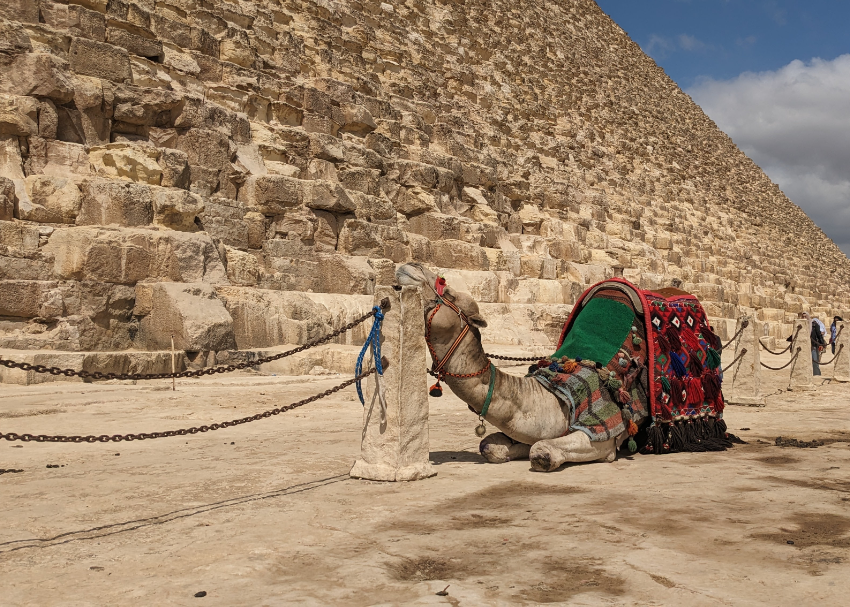
The camel photo scam: A camel owner lets you take a photo "for free," then demands an exorbitant fee.
The papyrus museum: A taxi driver insists on taking you to his cousin's "authentic" papyrus shop. It is overpriced.
The "helpful" local: Someone offers unsolicited help at a tourist site, then demands a large tip. Politely decline all unsolicited assistance.
Health and Practical Safety
Beyond personal security, there are practical health considerations for Egypt:
- Drink only bottled water. Even brushing your teeth with tap water is risky. Buy large bottles and keep one in your bag at all times.
- Eat at busy restaurants. High turnover means fresher food. Street food can be delicious but choose vendors with long lines of locals.
- Carry hand sanitizer and tissues. Public restrooms often lack soap and toilet paper.
- Protect yourself from the sun. Sunscreen, a wide-brimmed hat, and sunglasses are non-negotiable, especially between April and October.
- Get travel insurance. Medical care in Egypt is affordable but variable in quality. Good insurance covers evacuation if needed.
The Other Side of the Story: Why Egypt is Worth It
After reading about scams, harassment, and health risks, you might wonder why anyone would visit Egypt alone. The answer is simple: the rewards far outweigh the challenges. Egypt is one of the most welcoming countries on Earth. Strangers will invite you for tea, shopkeepers will offer you samples, and families will welcome you into their homes with genuine warmth.
The sense of independence that comes from navigating this ancient land alone is profoundly empowering. Standing before the Great Pyramid at dawn with no one else around, sailing the Nile on a felucca with the wind in your hair, or haggling for spices in a medieval souk — these experiences are magnified when they are yours alone. Solo travel in Egypt forces you to engage more deeply with the culture, the history, and yourself.
Final Thoughts
Egypt is not a country that coddles tourists. It is vibrant, chaotic, occasionally frustrating, and utterly magnificent. Solo travel here requires preparation, awareness, and a sense of adventure. But for those willing to embrace the challenge, Egypt offers rewards that few destinations can match.
Come with an open mind, a respectful attitude, and a healthy dose of common sense. Stay connected with a reliable Yesim eSIM, trust your instincts, and do not let fear hold you back from experiencing one of the world's most extraordinary destinations. Egypt is waiting — and it is more welcoming than you think.