Egypt is often described as the world's greatest open-air museum, a land where ancient civilizations continue to shape modern life. While the Pyramids of Giza and the Sphinx dominate many travel itineraries, there is another side of Egypt that deserves equal attention — a journey through its museums, medieval fortresses, and historic neighborhoods that tell the story of thousands of years of human achievement.
Among Cairo's most remarkable experiences is the combination of the National Museum of Egyptian Civilization (NMEC), the historic Citadel of Saladin, and the enchanting streets of Old Cairo. Together, these destinations offer travelers an opportunity to explore Egypt's history from prehistoric times to the Islamic era and beyond.
Whether you're a history enthusiast, a first-time visitor, or a returning traveler eager to discover Egypt's hidden treasures, this tour from Cairo or Giza provides an unforgettable experience. From royal mummies and priceless artifacts to ancient churches, magnificent mosques, and breathtaking city views, every stop reveals a different chapter of Egypt's extraordinary story.
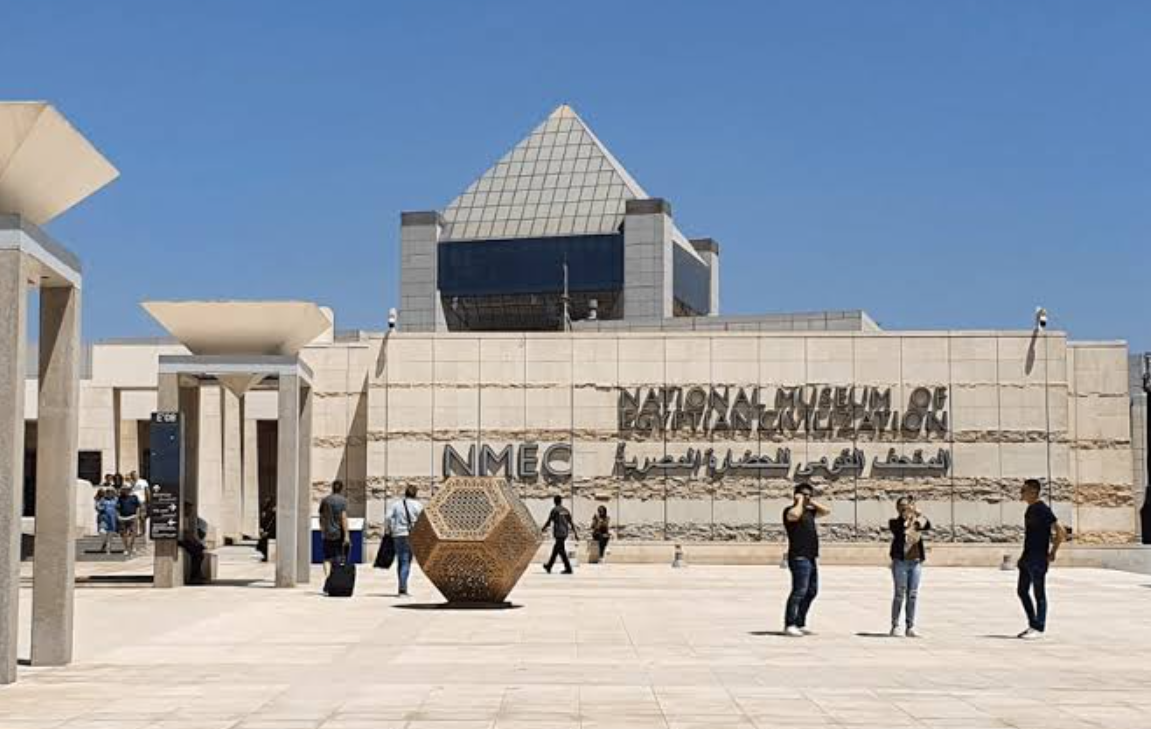
Why Visit the National Museum of Egyptian Civilization?
Opened to the public in 2017 and gaining worldwide recognition during the spectacular Pharaohs' Golden Parade in 2021, the National Museum of Egyptian Civilization has quickly become one of Egypt's most important cultural institutions.
Unlike traditional museums that focus exclusively on ancient Egypt, NMEC presents a comprehensive timeline of Egyptian civilization, spanning:
- Prehistoric Egypt
- Pharaonic Egypt
- Greco-Roman Egypt
- Coptic Egypt
- Islamic Egypt
- Modern Egypt
This unique approach allows visitors to understand how Egypt evolved over thousands of years into the nation we know today. Located in Fustat, one of the oldest parts of Cairo, the museum serves as a gateway between Egypt's ancient and modern identities.
The National Museum of Egyptian Civilization Highlights
1. The Royal Mummies Hall
Without question, the Royal Mummies Hall is the museum's most famous attraction. Visitors can come face-to-face with some of Egypt's greatest rulers, including Ramses II, Queen Hatshepsut, Seti I, Thutmose III, Amenhotep I, and Seqenenre Tao.
The hall has been carefully designed to resemble an ancient royal tomb, creating an immersive and respectful atmosphere. Advanced preservation techniques ensure that these incredible remains can be appreciated by future generations. Seeing the face of Ramses II — one of history's most influential leaders — is a humbling experience that few museums in the world can offer.
2. The Central Exhibition Hall
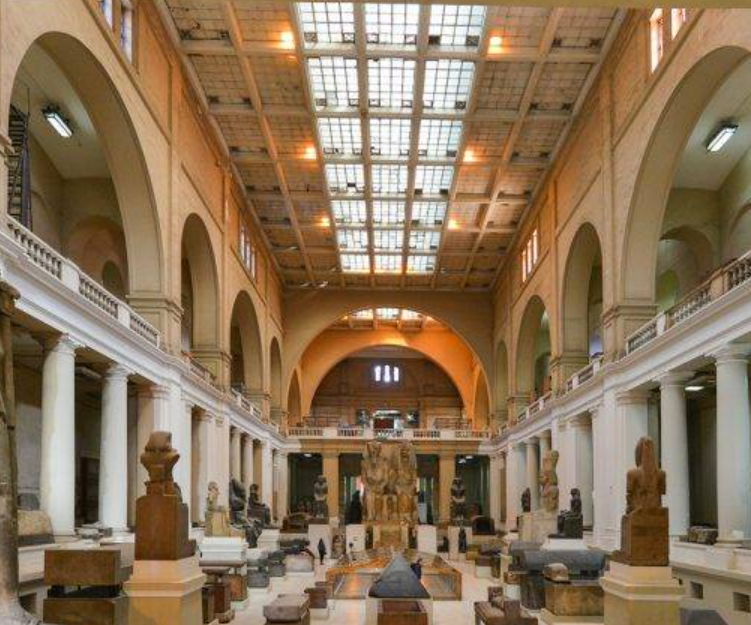
The Central Exhibition Hall showcases thousands of artifacts that span Egypt's vast history. Highlights include ancient tools and pottery, jewelry and ornaments, religious artifacts, manuscripts, sculptures, coins, textiles, and furniture. Interactive displays and multimedia exhibits help visitors understand how Egyptians lived, worked, worshipped, and governed throughout the centuries.
3. The Pharaohs' Golden Parade Legacy
In April 2021, the world watched as 22 royal mummies were transported from the Egyptian Museum in Tahrir Square to NMEC during the Pharaohs' Golden Parade. This spectacular event featured elaborate chariots, traditional music, cultural performances, and international broadcasts. The parade showcased Egypt's commitment to preserving and celebrating its heritage while introducing millions of people worldwide to the National Museum of Egyptian Civilization.
4. Beautiful Museum Grounds
Many visitors are surprised by the museum's exterior and surrounding landscape. The grounds feature scenic walking areas, water features, modern architecture, and panoramic views of Lake Ain El-Sira. The museum's design successfully combines contemporary aesthetics with inspiration drawn from ancient Egyptian culture.
Planning Your Visit to NMEC
Opening Hours: The museum is generally open daily — check current hours before traveling.
Suggested Visit Duration: Minimum 2 hours, recommended 3–4 hours. History lovers could easily spend an entire day.
Photography: Often permitted in many areas, although restrictions may apply in certain exhibitions. Always follow museum guidelines.
Continuing the Journey: The Citadel of Saladin
After exploring thousands of years of history at NMEC, the next stop on this incredible tour is the Citadel of Saladin. Constructed in the 12th century by Sultan Saladin, the citadel was built to defend Cairo against Crusader invasions and remained the center of Egyptian government for nearly 700 years. Perched atop the Mokattam Hills, the Citadel offers some of the finest views in Cairo.
The Mosque of Muhammad Ali
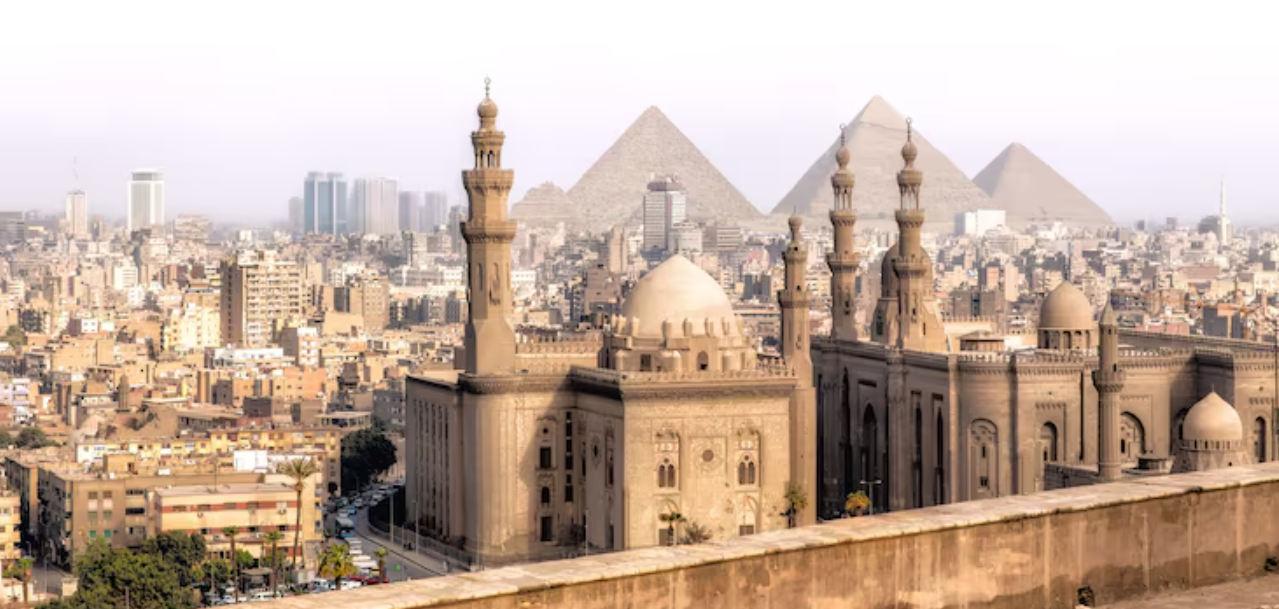
Often called the "Alabaster Mosque," this magnificent structure is one of Cairo's most recognizable landmarks. Built between 1830 and 1848, the mosque features a large central dome, elegant minarets, intricate decorations, beautiful chandeliers, and marble interiors. Its Ottoman-inspired architecture draws comparisons to Istanbul's famous mosques. Visitors are frequently amazed by the peaceful atmosphere inside and the stunning craftsmanship found throughout the building.
Panoramic Views of Cairo
One of the greatest reasons to visit the Citadel is the view. On a clear day, visitors can see downtown Cairo, the Nile River, historic mosques, parts of Giza, and the Cairo skyline. Some travelers even claim to spot the Pyramids in the distance under ideal conditions.
Additional Attractions Within the Citadel
The Citadel complex also includes the National Military Museum, the Police Museum, historic palaces, and ancient fortifications. Each offers additional insights into Egypt's rich and varied history.
Old Cairo: Where Religions Meet
The final part of this extraordinary tour takes visitors to Old Cairo, one of the city's most fascinating and historically significant districts. Old Cairo is a place where Christianity, Islam, and Judaism have coexisted for centuries. Walking through its streets feels like stepping into another era, where ancient churches stand alongside mosques and synagogues, telling stories of faith, resilience, and cultural exchange.
The Hanging Church
Officially known as Saint Virgin Mary's Coptic Orthodox Church, the Hanging Church is among Egypt's oldest and most beautiful churches. Its name comes from its location above the ancient Roman gatehouse of Babylon Fortress. Highlights include a wooden ceiling resembling Noah's Ark, stunning icons, intricate carvings, and a peaceful atmosphere. The church remains an important center of Coptic Christianity.
The Church of St. Sergius and Bacchus
According to tradition, this church was built above the cave where the Holy Family sought refuge during their journey through Egypt. For many visitors, this site is one of the most spiritually significant locations in the country.
Ben Ezra Synagogue
Old Cairo is also home to Ben Ezra Synagogue, one of Egypt's most important Jewish landmarks. The synagogue reflects Egypt's diverse religious history and serves as a reminder of the country's multicultural past.
The Coptic Museum
Travelers interested in Christian history should not miss the Coptic Museum, which houses an extensive collection of manuscripts, icons, textiles, and religious art. It provides valuable insight into Egypt's Christian heritage.
Why This Tour Is Perfect for Travelers Staying in Cairo or Giza
One of the greatest advantages of this tour is convenience. Travelers staying in downtown Cairo, Giza, Zamalek, or New Cairo can easily join organized tours that include transportation, guides, and entry arrangements. Benefits include hotel pickup and drop-off, professional guides, air-conditioned transportation, flexible itineraries, and time-efficient sightseeing. Rather than organizing multiple visits independently, travelers can experience several of Cairo's most important attractions in a single day.
A Suggested Itinerary
Morning: Hotel pickup, arrival at NMEC, explore museum exhibits, visit the Royal Mummies Hall.
Afternoon: Lunch at a local Egyptian restaurant, visit the Citadel of Saladin, explore the Mosque of Muhammad Ali, enjoy panoramic views.
Late Afternoon: Explore Old Cairo, visit the Hanging Church, discover Ben Ezra Synagogue, walk through historic streets.
Evening: Return to hotel, optional Nile dinner cruise.
Travel Tips
Wear Comfortable Shoes: You'll spend several hours walking, particularly in Old Cairo.
Dress Respectfully: Many sites are religious landmarks. Visitors should dress modestly.
Bring Water: Cairo can become extremely warm, particularly during the summer months.
Carry Cash: While many places accept cards, cash remains useful for small purchases and tips.
Hire a Guide: A knowledgeable guide can significantly enhance your understanding of the sites and provide historical context that may otherwise be missed.
Best Time to Visit
The best months for exploring Cairo include October, November, December, January, February, and March. During these months, temperatures are generally more comfortable for sightseeing. Summer visits remain possible but may require earlier start times due to the heat.
Photography Opportunities
This tour offers incredible photography opportunities. Popular subjects include Royal Mummies Hall entrances, museum architecture, mosque domes and minarets, Cairo skyline views, historic churches, ancient streets, and traditional markets nearby. Travelers are encouraged to bring a camera or smartphone with plenty of storage space.
Experiencing Egyptian Hospitality
Beyond the monuments and museums, one of the highlights of this journey is the opportunity to experience Egyptian hospitality. Visitors often describe Egyptians as friendly, welcoming, helpful, and passionate about their culture. Whether enjoying tea in a local café or speaking with guides and shopkeepers, travelers quickly discover why Egypt leaves such a lasting impression.
Nearby Attractions to Consider
If time permits, consider extending your itinerary with Khan El Khalili Bazaar, The Egyptian Museum, Al-Azhar Park, The Pyramids of Giza, Saqqara, Memphis, and Nile dinner cruises. These attractions complement the NMEC and Old Cairo experience perfectly.
Final Thoughts
The National Museum of Egyptian Civilization and the Museum of Civilization, Citadel & Old Cairo Tour is far more than a sightseeing excursion — it's a journey through time. In a single day, visitors can stand before ancient pharaohs, admire medieval Islamic architecture, walk through sacred Christian sites, and witness the cultural diversity that has defined Egypt for millennia.
Few destinations in the world offer such a rich blend of history, spirituality, and living heritage. From the Royal Mummies Hall to the towering minarets of the Citadel and the peaceful churches of Old Cairo, every moment reveals another layer of Egypt's remarkable story. Whether you're visiting Egypt for the first time or returning to explore its many wonders, this tour provides an unforgettable introduction to the heart and soul of Cairo. It reminds us that Egypt is not merely a destination — it is a living civilization, one that continues to inspire travelers from every corner of the globe.
So, when planning your next adventure in Egypt, make sure to include the National Museum of Egyptian Civilization, the Citadel of Saladin, and Old Cairo on your itinerary. The memories you create there will stay with you long after your journey comes to an end.