There is something almost magical about sailing the Nile. As your vessel glides through waters that have sustained civilization for over 5,000 years, ancient temples rise from the riverbanks, palm trees sway in the warm breeze, and the golden sunset paints the desert in hues of amber and rose. A Nile cruise is not just a mode of transportation — it is a journey through the very heart of ancient Egypt, a floating hotel that carries you between some of the most spectacular archaeological sites on Earth.
But with dozens of cruise operators, hundreds of ships, and countless itineraries to choose from, planning the perfect Nile cruise can feel overwhelming. Should you sail from Luxor to Aswan or the reverse? Is a luxury cruise worth the extra cost? What time of year offers the best experience? In this comprehensive guide, we answer all these questions and more, helping you navigate the waters of Nile cruise planning with confidence.
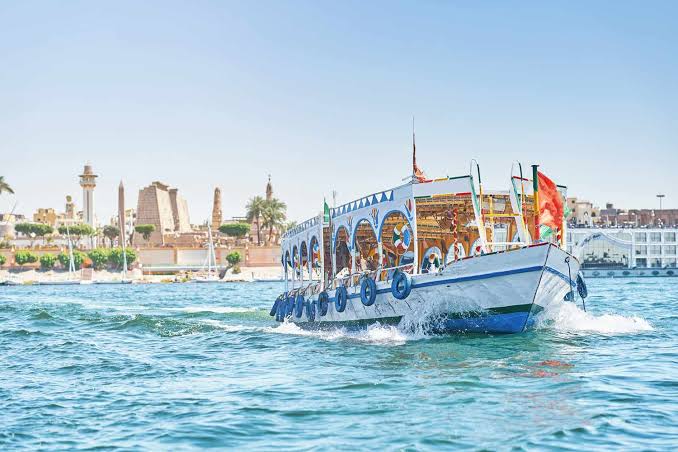
Choosing Your Route: Luxor to Aswan or Aswan to Luxor?
The classic Nile cruise covers the stretch between Luxor and Aswan, approximately 200 kilometers of the most historically significant riverbank in the world. Most cruises operate in both directions, and each has its own advantages.
Luxor to Aswan (Downstream): This is the most popular direction and for good reason. Sailing with the current, the journey feels more relaxed and takes slightly less time — typically 3-4 nights. You begin amid the grandeur of Luxor's temples and end in the laid-back beauty of Aswan, with its Nubian villages and Elephantine Island. The gradual transition from busy tourist hubs to quieter, more intimate destinations creates a satisfying narrative arc for your journey.
Aswan to Luxor (Upstream): While this direction takes a bit longer (4-5 nights) as you sail against the current, many experienced travelers prefer it. You start in the tranquil south and build toward the magnificent climax of Luxor's Karnak Temple and Valley of the Kings. Some argue this direction offers better light for photography, as you are often sailing during the golden hours of morning and late afternoon.
Our Recommendation
If it is your first Nile cruise, go Luxor to Aswan. The pacing feels more natural, and you will appreciate ending your journey in Aswan's relaxed atmosphere. For repeat visitors, the upstream journey offers a fresh perspective on familiar sights.
Types of Nile Cruises
Not all Nile cruises are created equal. The type of vessel you choose will dramatically shape your experience, from the level of luxury to the intimacy of the journey.
Large Cruise Ships (50-150 passengers): These floating hotels offer the most amenities — swimming pools, multiple restaurants, spas, gyms, and evening entertainment. They are stable and comfortable but can feel impersonal. The buffet-style dining and large tour groups at each stop mean less flexibility in your schedule.
Mid-Size Ships (20-50 passengers): The sweet spot for most travelers. These vessels offer comfortable cabins, a sun deck, and quality dining without the crowds. You get to know your fellow passengers and crew, and the excursions feel more organized and personal.
Dahabiyas (6-16 passengers): These traditional sailing boats offer the most intimate and authentic Nile experience. Powered by wind when possible and engines when necessary, dahabiyas can access smaller moorings that large ships cannot reach. The pace is slower, the service is highly personalized, and the sense of adventure is unmatched. This is the choice for travelers seeking something truly special.
Feluccas (2-8 passengers): For the ultimate adventure, a felucca is a traditional wooden sailing boat with no engine at all. You sleep on deck under the stars, cook meals over open fires, and surrender completely to the rhythm of the river and wind. It is basic, beautiful, and utterly unforgettable — but not for everyone.
What to Expect On Board
Regardless of which vessel you choose, the daily rhythm of a Nile cruise follows a familiar pattern. Mornings begin early, often with a sunrise view from your cabin window as the ship approaches its first stop of the day. After breakfast, you disembark for a guided tour of a temple or tomb — usually 2-3 hours of walking in the heat. Back on board by midday, you enjoy lunch as the ship sails to the next destination, giving you time to relax on the sun deck, read, or simply watch the timeless landscape drift by.
Afternoon excursions typically visit another site before returning for dinner. Evenings on board might include traditional Egyptian music, a galabeya party (where guests dress in traditional Egyptian robes), or simply stargazing from the deck with a drink in hand. The pace is leisurely but full — by the end of each day, you will feel satisfyingly tired in the best possible way.
Best Time to Cruise the Nile
Timing your Nile cruise correctly can make the difference between a magical experience and a challenging one.
October to April (Peak Season): This is the ideal time to cruise. Temperatures are mild (20-30°C), making temple visits comfortable and sun deck lounging pleasant. The winter months (December-February) are particularly popular, so book well in advance. Christmas and New Year cruises command premium prices but offer festive atmospheres on board.
May to September (Low Season): The summer heat in Upper Egypt is intense, often exceeding 40°C. While prices drop significantly and crowds thin out, the heat can make excursions genuinely uncomfortable. If you do cruise in summer, choose a vessel with a swimming pool and strong air conditioning, and plan your temple visits for early morning or late afternoon.
Packing Essentials
Pack light, breathable clothing for daytime temple visits, a warm layer for cool evenings on deck, sunscreen and a wide-brimmed hat, comfortable walking shoes, binoculars for bird watching, and a good camera. Don't forget a universal adapter for Egypt's 220V European-style plugs, and consider a Yesim eSIM to stay connected and share your journey in real-time.
Must-See Stops Along the Nile
The stretch between Luxor and Aswan is densely packed with archaeological treasures. Here are the essential stops no cruise should miss:
- Temple of Karnak (Luxor): The largest religious complex ever built, covering an area larger than most ancient cities. The hypostyle hall with its 134 massive columns is one of the most awe-inspiring spaces on Earth.
- Valley of the Kings (Luxor): The burial place of pharaohs including Tutankhamun, Seti I, and Ramses II. The painted tombs are remarkably preserved and deeply moving.
- Temple of Edfu: The best-preserved ancient temple in Egypt, dedicated to the falcon god Horus. Its massive pylons and detailed reliefs offer an unparalleled glimpse into Pharaonic architecture.
- Kom Ombo: A unique double temple dedicated to Sobek (the crocodile god) and Horus (the falcon god). The crocodile mummies in the museum are fascinating.
- Philae Temple (Aswan): Beautifully relocated to Agilkia Island to save it from the rising waters of Lake Nasser, this temple to the goddess Isis is romantic and atmospheric, especially during the sound and light show.
Budget vs. Luxury: Making the Right Choice
Nile cruises range from budget-friendly options around $50 per night to ultra-luxury experiences exceeding $500 per night. The key differences lie in cabin size, dining quality, excursion inclusions, and onboard amenities.
Budget cruises offer clean, comfortable cabins and basic meals. You will see the same temples and have the same Nile views as luxury travelers. However, cabins are smaller, food is simpler, and excursions may involve larger groups or additional fees.
Luxury cruises pamper you with spacious suites, gourmet dining, spa services, and expert Egyptologist guides. Ships like the Oberoi Zahra and Sanctuary Sun Boat set the gold standard. If your budget allows, the enhanced comfort and educational depth of a luxury cruise genuinely elevate the experience.
Final Thoughts
A Nile cruise is more than a vacation — it is a pilgrimage through the cradle of civilization. As you drift past mud-brick villages where farmers tend their fields much as their ancestors did 3,000 years ago, you feel the extraordinary continuity of Egyptian life. The temples may be ancient, but the river is eternal, and sailing its waters connects you to something far greater than yourself.
Choose your vessel wisely, time your visit for the cooler months, and approach each temple with curiosity and respect. The Nile has been welcoming travelers for millennia, and it is ready to welcome you too.